
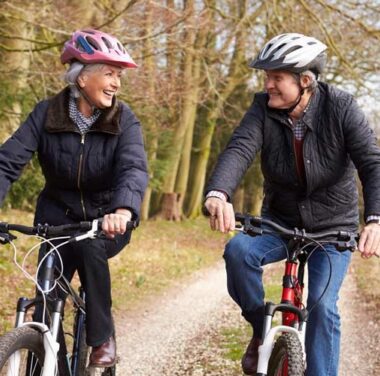
Cyclists over the age of 50 face many of the same challenges younger cyclists face when it comes to peak performance. However, these challenges come with special twists and nuances for cyclists in their 50s, 60s, and 70s. Data from professional endurance coaching programs reveal that new people are discovering cycling later in life and that experienced cyclists are sticking with the sport. Even the competition level in these age groups is increasing.
Cycling at 50 years old can be highly beneficial for your health and well-being. Regular cycling can reduce the risk of serious illnesses, boost mental health, and protect your joints. If you are just getting started, it's important to find a bike that fits you well, allowing you to comfortably reach the handlebars and pedals. If you’ve not cycled in a while or you are just wanting to try something new, you might feel a bit overwhelmed. There are some steps you can take to make getting started on your new hobby that little bit easier.
Choose the best bike for you - If you are going to purchase a new bike or just get your current bike tuned up, it’s important that you make sure that your bike is a proper fit and type for your cycling goals. The type of bike you need will depend on what kind of paths or roads you’ll be riding on. For example, road bikes, mountain bikes and gravel bikes are all made for different surfaces. The size of bike will depend largely on your height, length of inside leg and frame size of your chosen bike type.
Choose Your Gear - Once you have your bike you’ll need the gear to go with it. Crashes and falls can happen, so safety gear is important to protect you. It’s important to have:
- A well-fitting helmet
- Water Bottle
- Cycling gloves
- A good bike lock
- And it’s a good idea to have: A spare inner tube/patch kit and CO2 inflator/hand pump for flat tires along with a road ID tag with medical information.
You’ll also want to consider how you’re going to store and transport your bike. Store your bike out of the elements and protected from damage. A bike rack is recommended for the car if you’ll be driving to your chosen cycle spots and never lay your bike on the drive side when transporting.
Start slow - Once you’re ready to start cycling, take things slow and go at your own pace while you get used to it. You may be using muscles you haven’t used in a while. So, taking things gently will reduce the risk of straining or pulling a muscle.
Know the rules of the road - Like drivers, cyclists have their own rules to follow on the road. Even if you plan to keep cycling paths and parks, it’s good to familiarize yourself with the laws and guidance for cyclists.
Ride with friends - Cycling can be great for socializing.
Remember to rest and recover - It’s important to give your body time to recover after any exercise. Especially if you haven’t exercised in a long time. Proper warm up and cool down exercises are key to help avoid issues. Taking break days can also help ensure your body gradually gets used to your new hobby.
Above all be safe! Despite all the health benefits, there are safety concerns to consider before committing to cycling. The risks vary depending on where you’re cycling and how safe the area is and it is always recommended that you consult your healthcare provider before starting any type of exercise program.
Danville Bike and Footwear can help you find the perfect bike for you and if you are interested in a group ride, our weekly riding group leaves Danville Bike and Footwear at 6:00pm every Wednesday. Come out and join in the fun! We hope you enjoy cycling as much as we do!
Related Articles: